Introduction to the Issue
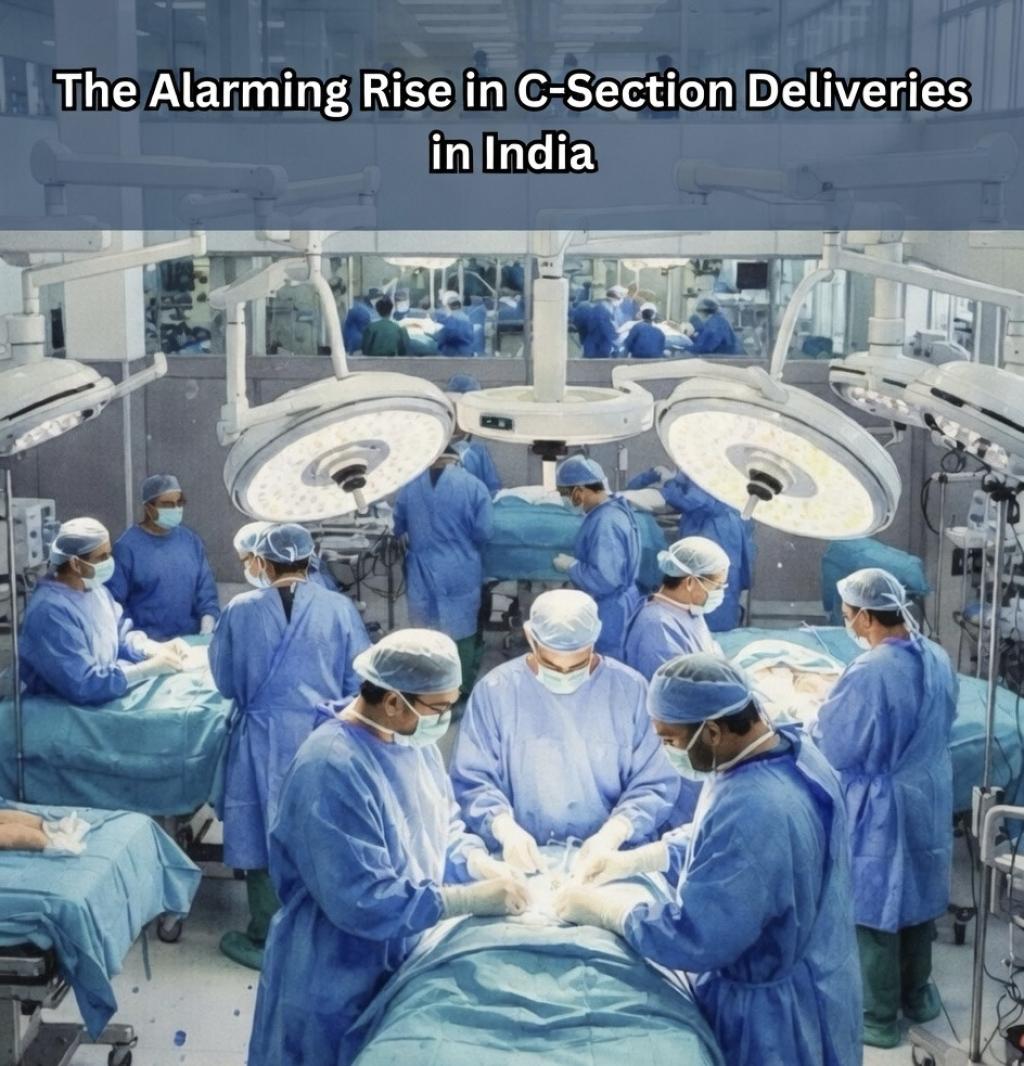
The alarming rise in caesarean section (C-section) deliveries in India has become a major public health topic, especially with the latest government data showing over 27%of reported institutional births now occurring via surgery in 2024-25. Institutional delivery rates have improved but C-section figures remain a concern amid national trends this issue hits close to home for many families planning pregnancies.
Statistical Overview
The Numbers: A Four-Fold Surge in 16 Years
According to recent data presented in Parliament by Minister of State for Health Prataprao Jadhav, based on the Health Management Information System (HMIS):
Breakdown of Historical Data
- In 2008-09, C-sections made up about 6.4% of reported deliveries (around 12.03 lakh out of 1.88 crore total).
- By 2024-25, this jumped to 27.46% (over 54.35 lakh C-sections out of roughly 1.98 crore reported institutional deliveries).
Trend Analysis
The total number of reported deliveries has stayed relatively stable, but surgical births have skyrocketed more than fourfold. The trend has been steady and accelerating:
Key Milestones in the Trend
- Crossed 10% in 2012-13.
- Surpassed 20% in 2020-21.
- Reached 25.27% in 2023-24.
- Now at 27.46% in 2024-25.
Scope of the Data
This figure applies to institutional (hospital-based) deliveries, which have increased overall a positive shift for maternal safety but the proportion of surgical ones is climbing fast.
Comparison with Broader Surveys
For context, broader population surveys like NFHS-5 (2019-21) showed a national average of 21.5%, with even higher rates in private facilities (around 47-50%). The 2024-25 HMIS data indicates the upward trajectory continues.
Global Comparison
How Does This Compare Globally?
The World Health Organization (WHO) recommends an ideal C-section rate of 10-15% at the population level. Rates in this range are associated with optimal maternal and neonatal outcomes saving lives in complicated cases without unnecessary risks.
India’s Position in Global Context
India’s current 27%+ (and higher in many private settings) far exceeds this threshold, similar to trends in parts of Latin America and some high-income countries where overuse is a concern. While low rates in some poorer regions signal under-access to emergency care, India’s surge points more toward potential over-medicalization.
Reasons Behind the Rise
Why Are C-Section Rates Rising So Sharply?
The reasons are multifaceted, blending medical, social, economic, and systemic factors:
Factor 1: Institutional Deliveries
- More Institutional Deliveries Overall
Government programs like Janani Suraksha Yojana have boosted hospital births (a good thing for reducing home-delivery risks), but this shift correlates with higher C-section use.
Factor 2: Clinical Reasons
- Clinical and Medical Factors
Better detection of high-risk pregnancies (e.g., previous C-sections, fetal distress, cephalopelvic disproportion), older maternal age, and obesity play roles. Repeat C-sections are common due to perceived risks of vaginal birth after cesarean (VBAC).
Factor 3: Patient Influences
- Patient Preferences and Sociocultural Influences
Many women (or families) request scheduled C-sections to avoid labor pain, choose “auspicious” dates, or for convenience. Tokophobia (fear of natural birth) and family pressures contribute.
Factor 4: Sector Disparities
- Private vs. Public Sector Disparities
Private hospitals often report much higher rates (45-60%+ in many states) compared to public ones (around 14%). Factors include financial incentives C-sections are more lucrative (higher reimbursements, quicker procedures), medico-legal fears (defensive medicine), and scheduling convenience for doctors.
Factor 5: Regional Variations
- Regional Variations
Southern states lead: Telangana (~60% in NFHS-5), Tamil Nadu (~45%), Andhra Pradesh (~42%). Northern and eastern states like Bihar and Uttar Pradesh lag lower (often under 10-15% in public facilities), highlighting urban-rural and wealth-based inequalities richer, urban, educated women face far higher odds.
Implications of the Rise
The Potential Downsides
While C-sections save lives when needed, unnecessary ones carry risks:
Specific Risks
- Higher chances of infections, longer recovery, blood loss, and complications in future pregnancies (e.g., placenta issues, uterine rupture).
- Increased healthcare costs for families.
- Possible subtle impacts on newborns (e.g., microbiome differences).
- Strain on public health resources.
Positive Aspects Amid the Rise
Encouragingly, maternal and infant mortality rates have continued to fall despite the rise, thanks to better overall care.
Solutions and Recommendations
What Can Be Done? Steps Toward Balance
The government is taking notice:
Government Initiatives
- Mandatory display of C-section vs. normal delivery ratios in empanelled hospitals.
- Strengthened audits under LaQshya (Labor Room Quality Improvement Initiative).
- Monitoring via HMIS and incentives for evidence-based care.
Personal and Societal Actions
On a personal and societal level:
- Promote awareness and informed consent discuss options early with trusted providers.
- Encourage VBAC where safe.
- Regulate private sector incentives and push for standardized guidelines.
- Support natural birth through better pain management, doula/midwife involvement, and antenatal education.
Conclusion
India’s rising C-section rate from under 7% to over 27% in under two decades reflects progress in access to care but also signals the need for caution against overuse. Every birth should prioritize safety over convenience or profit.