The Trigger: Supply Disruptions Through the Strait of Hormuz
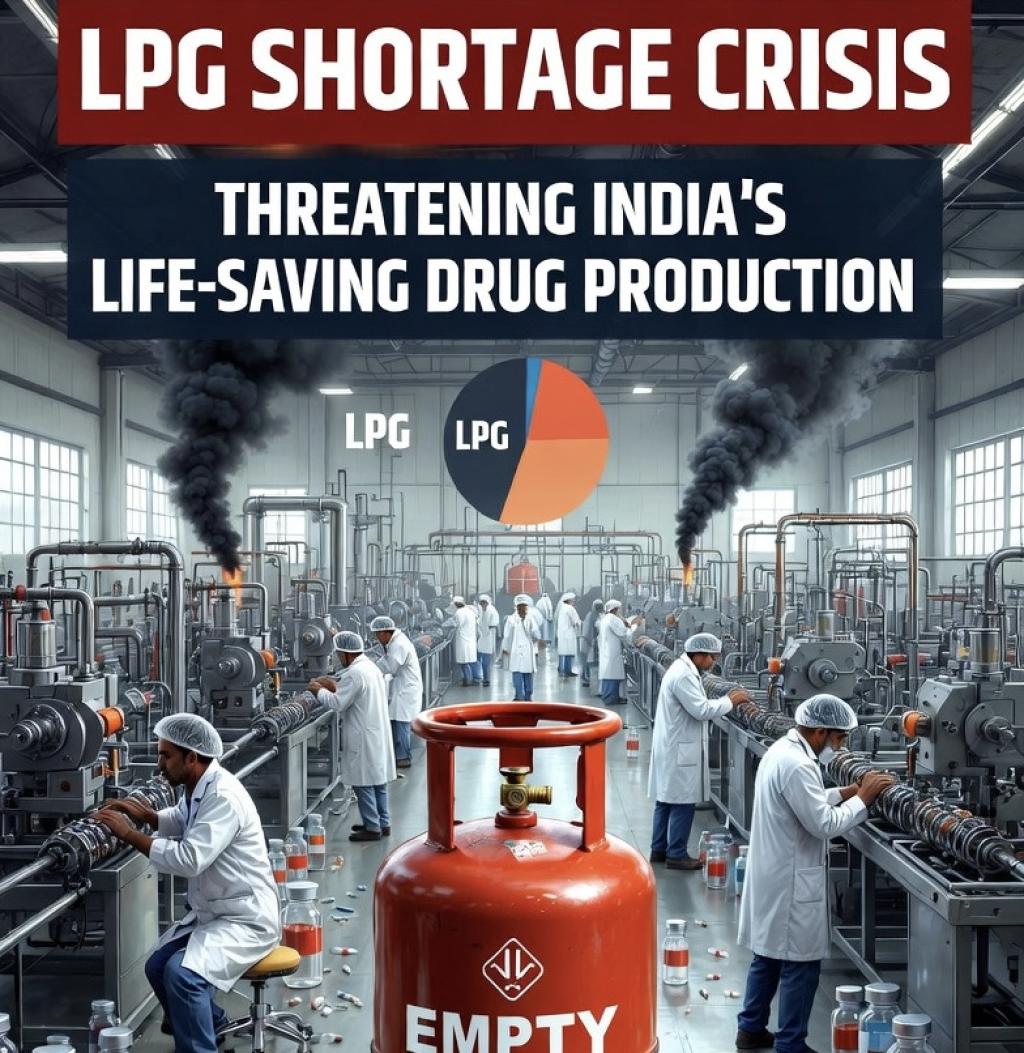
India depends heavily on imported LPG, with nearly 60% of its total consumption coming from overseas shipments. A large portion of these imports passes through the Strait of Hormuz, one of the world’s most important oil and gas transit routes.
Recent geopolitical tensions in the region have slowed tanker movements and forced some shipments to reroute. As a result, weekly LPG arrivals in India have reportedly dropped by around 30%. In response, domestic production has been increased by approximately 25–30% through emergency measures, but this increase has not been enough to fully compensate for the sudden supply gap.
To prevent panic among households, the government has prioritized domestic cooking gas distribution. While this strategy has helped maintain stable supplies for residential consumers, commercial and industrial users are facing significant restrictions, with supply cuts reaching up to 50% in some regions.For most industries, this creates operational inconvenience. For the pharmaceutical sector, however, it could become a serious crisis.
Why LPG Is Critical for Pharmaceutical Manufacturing
In pharmaceutical manufacturing especially for injectable drugs.LPG plays a specialized and essential role. One of its key uses is in the sealing of glass ampoules, which are small containers used to store sterile liquid medicines.These ampoules must be sealed under controlled heat to maintain sterility and prevent contamination. Industrial LPG provides the precise, stable flame required for this sealing process. Without it, production lines for injectable medicines can quickly grind to a halt.
This is particularly concerning because injectable drugs are widely used in hospitals for emergency treatments and life-saving therapies, including medications for:
•Malaria
•Metabolic acidosis
•Post-surgery nausea and vomiting
•Chemotherapy side effects
•Critical care treatments
Any disruption in the manufacturing of these medicines can quickly affect hospital supply chains.
Gujarat: The Core of India’s Injectable Drug Production
Gujarat is widely recognized as India’s pharmaceutical manufacturing powerhouse, especially for injectable medicines and bulk drug formulations. A large number of pharmaceutical companies and contract manufacturing units operate in the state.With LPG supplies tightening, several pharmaceutical manufacturers have begun raising urgent concerns. Industry representatives report that some facilities had only a few days of LPG stock remaining by mid-March. Without fresh supply, production lines could face temporary shutdowns.
Pharmaceutical associations have already appealed to the government for special supply exemptions, similar to the emergency provisions granted during the COVID-19 pandemic. Their argument is clear: interruptions in medicine production could create ripple effects across the entire healthcare system.
Potential Consequences for Healthcare
If pharmaceutical production slows significantly, the consequences could extend far beyond factory gates.
Experts warn that reduced production may lead to:
•Shortages of critical injectable medicines in hospitals
•Rising medicine prices, potentially increasing by 10–20%
•Supply disruptions for commonly used drugs, including paracetamol
•Shortages of essential medical products, such as syringes and gloves
Some of these disruptions have already begun to appear. One medical technology company reportedly paused glove production for four daysdue to the LPG shortage affecting its operations.While this may seem like a short interruption, the healthcare sector operates on tightly coordinated supply chains. Even small delays can affect hospitals that depend on steady deliveries of essential medical supplies.
Government Response and Short-Term Relief Measures
Authorities have taken several steps to stabilize the situation.
Two additional LPG shipments totaling approximately 80,000 tonnesare currently on their way to India. Domestic refineries are also operating at maximum production capacityto increase local supply.
At the same time, enforcement agencies have begun crackdowns on hoarding and black-market sales, which tend to appear whenever supply shortages emerge.
In Gujarat, the government is also working to expand piped natural gas (PNG) connectionsfor institutions and industries, providing a more stable alternative to LPG. Additionally, certain industries have been allowed to temporarily switch to alternative fuels for up to three months.
These steps may help reduce immediate pressure on manufacturing sectors, including pharmaceuticals.
A Wake-Up Call for Energy and Healthcare Security
Despite these relief efforts, the current situation highlights a larger structural challenge. India has made enormous progress in expanding LPG access to households through initiatives such as the Ujjwala scheme, which has improved clean cooking fuel availability for millions of families.However the country’s heavy dependence on imported LPGmakes it vulnerable to geopolitical disruptions and global supply shocks.
For the pharmaceutical sector where uninterrupted production can directly impact patient care this dependency creates an additional layer of risk. Ensuring stable fuel supply for critical industries like drug manufacturing may require dedicated energy allocation policies, diversified import routes, and expanded domestic production capacity.
If addressed proactively, the present disruption could become an opportunity to strengthen both India’s energy resilience and its healthcare supply chain stability. For now, however, the pharmaceutical industry remains on high alert, hoping that LPG supplies normalize before medicine production begins to slow.