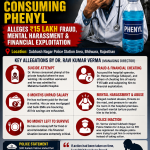
His family has alleged serious lapses including a brain surgery performed without proper communication and the patient being kept on a ventilator unnecessarily to inflate bills. While the hospital strongly denies these claims and states that full consent was obtained and all standard procedures followed, a medical board inquiry has been ordered by the Civil Surgeon, Mohali.
This case is still under investigation but it raises important questions that every Indian patient and family should understand: What exactly is medical negligence? What are your rights? And how can you avoid becoming a victim?
In this comprehensive guide, we break down the facts of the Dera Bassi case (based on publicly reported details), explain medical negligence under Indian law, and share practical steps to safeguard your health and finances when seeking medical care.
What Happened in the Dera Bassi Hospital Case?
According to multiple reports, Deepak Kumar, a spare parts supplier and father of a four year old son, drove himself to Indus International Hospital on the Dera Bassi,Ambala road on April 4, 2026 complaining of mild chest pain.
He underwent a cardiac stent procedure. His family claims that soon after, his condition deteriorated. Doctors allegedly informed them of a brain blockage (clot discovered via CT scan) and performed brain surgery. Deepak never regained consciousness post operation was placed on ventilator support and passed away on April 13, 2026 around 5 PM.
The grieving family his wife, brother and father protested at the hospital, accusing doctors (including names mentioned in some reports) of gross negligence. They specifically alleged:
- The brain surgery was done without adequate information or proper consent.
- The patient was kept on artificial ventilator support longer than necessary, allegedly to extract lakhs of rupees in bills.
The hospital’s General Manager of Operations, Dr. Vineesh Narula, expressed condolences but called the allegations “baseless.” He stated that the family was fully informed of possible complications, consent was obtained and every effort was made to save the patient.
Police have registered a complaint, and a panel of medical experts will investigate. This is not the first time the hospital has faced scrutiny similar financial irregularity claims surfaced in 2023 related to other procedures.
Important note: These are allegations at this stage. The medical board’s findings will determine the facts. Cases like this highlight why transparency, communication and documentation matter in healthcare.
Understanding Medical Negligence: A Simple Definition
Medical negligence (also called medical malpractice) occurs when a doctor, hospital, or healthcare provider fails to provide the standard of care that a reasonably competent professional would have provided in similar circumstances, and this failure directly causes harm to the patient.
In India, courts often apply the Bolam Test (from English law, adapted locally): A doctor is not negligent if they acted in accordance with a practice accepted as proper by a responsible body of medical professionals.
Common examples include:
- Wrong diagnosis or delayed diagnosis
- Surgical errors or operating without proper consent
- Medication or dosage mistakes
- Failure to monitor a patient adequately
- Unnecessary procedures or prolongation of treatment for financial gain
Why Are Medical Negligence Cases Rising in India?
Several factors contribute:
- Overcrowded government hospitals and high patient loads in private ones
- Commercial pressures on private facilities
- Lack of strong regulation and accountability in some institutions
- Poor doctor patient communication
- Increasing awareness among patients (thanks to social media and news)
Data from the National Consumer Helpline and court records show thousands of medical negligence complaints filed annually under the Consumer Protection Act.
Your Rights as a Patient in India
You are not helpless. Indian law strongly protects patients:
- Right to Information – Doctors must explain the diagnosis, treatment options, risks, and costs in simple language.
- Informed Consent – No surgery or major procedure can be performed without your (or your family’s) written, informed consent.
- Right to Records – You can demand copies of all medical records, bills and reports.
- Right to Second Opinion – Always encouraged, especially before major procedures.
- Right to Quality Care – Treatment must meet accepted medical standards.
These rights are enshrined in the Consumer Protection Act, 2019 (medical services are treated as “services”) and guidelines from the National Medical Commission (NMC, formerly MCI).
What Should You Do If You Suspect Medical Negligence?
- Document Everything – Keep all prescriptions, reports, bills, consent forms and discharge summaries.
- Get a Second Opinion – Consult another hospital immediately.
- File a Complaint:
- Civil Route (recommended first): Approach the District Consumer Disputes Redressal Commission (for claims up to ₹50 lakh), State Commission (₹50 lakh–₹2 crore), or National Commission (above ₹2 crore).
- Police Complaint: For criminal negligence (rare, under Section 304A IPC).
- Medical Council: Complain to the State Medical Council or NMC against the doctor.
- Approach Media/Consumer Forums (as a last resort for pressure).
Success rate in genuine cases is high if evidence is strong compensation can include medical costs, lost earnings, pain and suffering and even punitive damages.
Practical Tips to Protect Yourself and Your Family
- Choose hospitals with good NABH accreditation whenever possible.
- Always ask for detailed explanations and written consent forms.
- Insist on itemized bills and break-up of charges.
- Keep a family member present during consultations for major decisions.
- Carry a small notebook or use your phone to note down doctor names, times, and explanations.
- Consider health insurance that covers second opinions and legal expenses.
- Teach your family basic patient rights knowledge is your best defense.
Final Thoughts: Building Trust in Healthcare
The Dera Bassi case is tragic regardless of the final outcome. A young father is gone, a family is devastated, and questions remain unanswered until the inquiry concludes.
As patients, we must demand accountability. As a society, we need better regulation, transparent billing, mandatory ethics training for doctors and stronger grievance redressal mechanisms.
Hospitals and doctors also have a role: clear communication, ethical practices and putting patients before profits can prevent most conflicts.
If you or a loved one has faced similar issues, share your experience (anonymously if needed) in the comments below. Let’s raise awareness and push for safer healthcare.
Have you ever faced unclear medical billing or felt a procedure was unnecessary? Drop your thoughts we read every comment.
Disclaimer: This article is for educational and informational purposes only. It is not legal advice. Always consult a qualified lawyer or doctor for personal cases. All facts are based on publicly available news reports as of April 17, 2026.