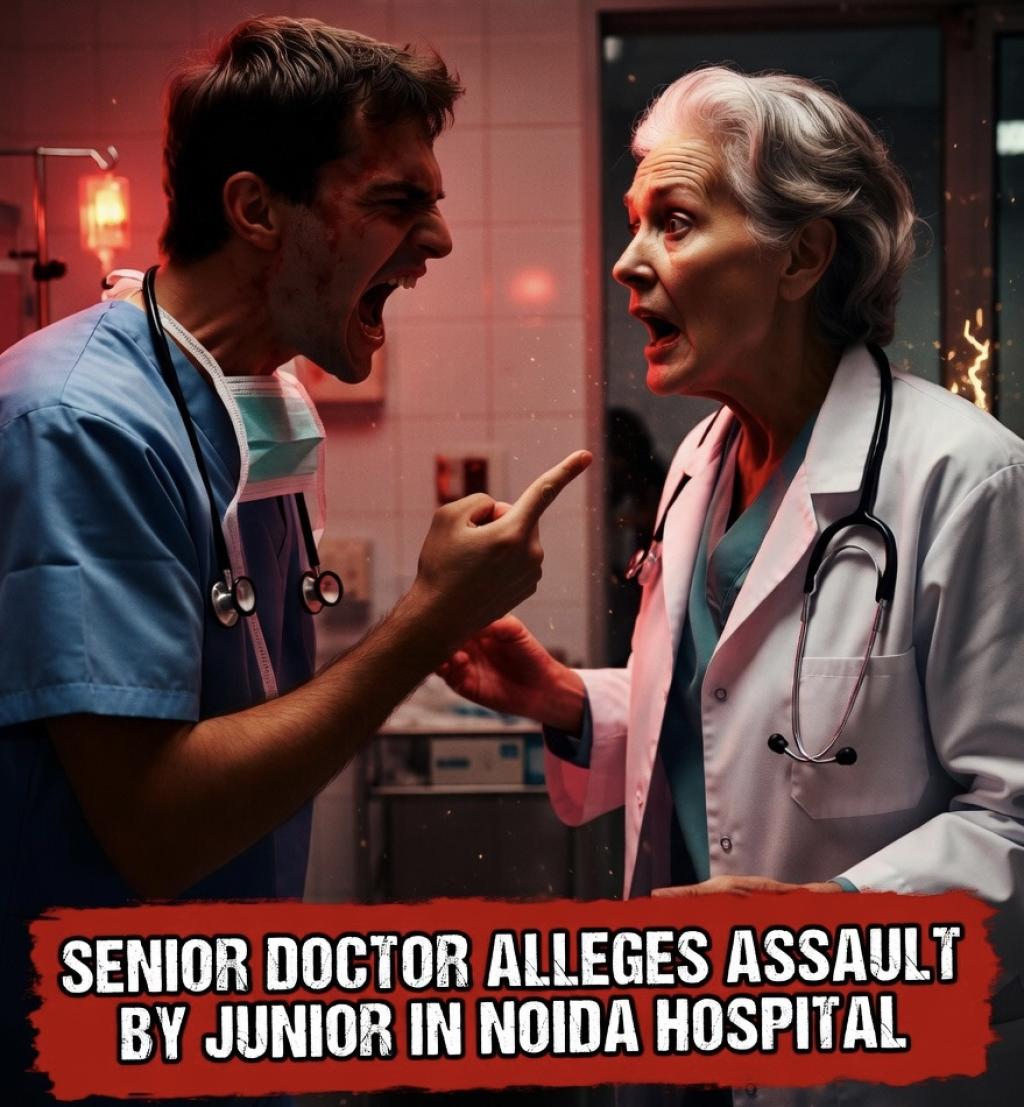
In the high pressure environment of emergency medicine, where every second can determine life or death, the last thing one expects is physical violence between doctors. Yet this is exactly what allegedly occurred in the early hours of March 13 or 14, 2026, at the Post Graduate Institute of Child Health (Child PGI) in Sector 30, Noida.
According to a complaint filed by senior doctor Dr. Shivangi Raj Jaiswal, a heated argument broke out between her and a junior colleague, Dr. Aditya Verma, around 2:00 a.m. during night duty in the emergency ward. What reportedly began as a disagreement possibly related to patient care or medical protocol quickly escalated into a serious altercation.
Dr. Jaiswal has alleged that Dr. Verma lost his temper, slapped her multiple times, used abusive language, and even issued threats to her life. The incident is said to have caused both physical injuries and significant psychological trauma.
Police officials at Sector 20 Police Station responded promptly and registered a First Information Report (FIR) under relevant sections of the Bharatiya Nyaya Sanhita (BNS), including:
•Section 115(2):Voluntarily causing hurt
•Section 352:Intentional insult with the intent to provoke a breach of peace
•Section 351(3):Criminal intimidation
Investigations are currently underway. Authorities are reviewing CCTV footage, recording statements from both parties, and collecting additional evidence. Meanwhile, hospital authorities have acknowledged that the incident took place during night duty and have initiated an internal inquiry alongside the police investigation.
Why This Incident Matters
Workplace violence in the healthcare sector is not new in India. Doctors often face aggression from patients’ families, leading to protests and demands for better security. However, this case presents a different and more troubling scenario—violence between medical professionals within a hospital setting.
Several critical concerns emerge from this incident:
•Hierarchical Stress:The senior-junior dynamic in medical institutions can sometimes create tension, especially under stressful working conditions.
•Night Duty Pressures:Long hours, fatigue, high patient loads, and limited staffing particularly in pediatric emergency wards can intensify emotional strain.
•Lack of Conflict-Resolution Systems:Many hospitals lack formal mechanisms to address interpersonal conflicts before they escalate.
•Gender Concerns:The allegation of a male junior assaulting a female senior raises serious questions about workplace safety and gender sensitivity in medical environments.
This is not the first reported issue at Child PGI. Previous incidents involving staff conflicts have surfaced, but violence between doctors themselves is particularly alarming in an institution responsible for training future medical professionals.
The Broader Context in Indian Healthcare
India’s healthcare system is under significant strain. Resident doctors frequently work extended shifts, often exceeding 36 hours, while dealing with chronic understaffing and emotional exhaustion. Such conditions can lead to burnout, frustration, and, in extreme cases, conflict among colleagues.
Professional organizations like the Indian Medical Association (IMA) and various resident doctor associations have repeatedly called for improved working conditions, mental health support, and strict zero-tolerance policies against all forms of workplace violence whether from patients or within the medical community itself.
Final Thoughts
As the investigation continues, further clarity is expected regarding the circumstances that led to this incident. It remains important to consider all perspectives and allow the evidence to guide conclusions.
Regardless of the outcome, this case serves as a wake-up call for the healthcare system.
Hospitals must prioritize:
•Mandatory conflict resolution training
•Regular mental health support for staff, especially during night duties
•Clear and accessible reporting mechanisms for workplace harassment
•Stronger supervision and mediation in high-stress departments
Medicine is a noble profession, built on compassion and trust. That foundation is weakened when healthcare professionals turn against each other. Incidents like this must lead to meaningful reforms, ensuring that hospitals remain safe spaces for both patients and those who care for them.
What are your thoughts?
Have you witnessed or heard of similar tensions in medical workplaces? Share your perspective in the comments below.
Sources:Times of India (March 15, 2026, article by Advitya Bahl), Medical Dialogues (March 17, 2026), and related police statements.