A Historic Change in Women’s Health
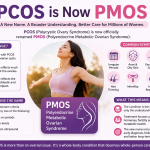
For years, the term “PCOS” or Polycystic Ovary Syndrome has been used to describe one of the most common hormonal disorders affecting women worldwide. In a landmark global decision, experts have now officially renamed PCOS as PMOS, which stands for Polyendocrine Metabolic Ovarian Syndrome. This is not simply a cosmetic change in terminology. It represents a major shift in how the medical community understands the condition and its effects on the body.
Why the Term PCOS Was Misleading
The earlier name, Polycystic Ovary Syndrome, was considered misleading by many experts. A large number of women diagnosed with PCOS do not actually have ovarian cysts. The structures seen on ultrasound are usually immature follicles and not true cysts. More importantly, the condition affects far more than just the ovaries. Women with the disorder often experience hormonal disturbances, insulin resistance, weight related issues, fertility problems, skin manifestations, and psychological symptoms. The older name focused mainly on the ovaries and reproduction while ignoring the broader metabolic and endocrine nature of the disease.
Understanding the Meaning of PMOS
After years of discussions involving medical organizations, researchers, and patient groups from around the world, the new term PMOS was adopted to better reflect the complexity of the condition. The word “Polyendocrine” highlights the involvement of multiple hormonal systems. “Metabolic” emphasizes the strong association with insulin resistance, obesity, diabetes, and metabolic syndrome. “Ovarian” acknowledges the role of ovarian dysfunction, while “Syndrome” indicates that it is a collection of symptoms and clinical findings rather than a single disease process.
Symptoms Remain the Same
Although the name has changed, the symptoms remain largely the same. Women with PMOS may experience irregular menstrual cycles, acne, excessive facial or body hair growth, weight gain, scalp hair thinning, infertility, and mood disturbances such as anxiety or depression. Many patients also have insulin resistance, which increases their long term risk of developing type 2 diabetes and cardiovascular disease. Some women may continue to have apparently regular periods while still suffering from ovulatory dysfunction and fertility related issues.
Does the Diagnosis Change?
The diagnostic criteria currently remain unchanged. Doctors still commonly use the Rotterdam criteria for diagnosis, where the presence of any two among irregular ovulation, elevated androgen levels, or polycystic ovaries on ultrasound supports the diagnosis. The purpose of the new terminology is not to alter the diagnosis itself but to improve awareness, understanding, and holistic management of the condition.
Why the Name Change Matters
One of the major reasons behind the name change was the confusion created by the older term. Many women believed that they could not have the condition unless they had ovarian cysts. Others assumed it was purely a fertility issue and did not realize that symptoms such as obesity, insulin resistance, fatigue, or mental health problems were connected to the same disorder. This misunderstanding often contributed to delayed diagnosis and fragmented treatment. Experts believe the new terminology may encourage earlier recognition and a more comprehensive approach to patient care.
What This Means for Patients
For patients already diagnosed with PCOS, the change to PMOS does not mean their condition has suddenly become different. Treatment strategies will continue to focus on lifestyle modifications, weight management, hormonal regulation, fertility support when required, and management of metabolic complications. However, the new name may help improve public awareness, research funding, medical education, and multidisciplinary care in the future.
Final Thoughts
The transition from PCOS to PMOS marks an important moment in women’s health. It recognizes that the disorder is much more than an ovarian problem and acknowledges the complex metabolic and endocrine challenges faced by millions of women worldwide. More importantly, it may help shift healthcare systems toward earlier diagnosis, better education, and more comprehensive long term management for a condition that has long been misunderstood.