This isn’t just another corporate legal battle it’s a stark reminder of why brand names in the pharma world must be crystal clear. With patient safety on the line, even minor similarities can lead to dangerous mix ups. Let’s break down what happened, why the court ruled the way it did and what this means for the Indian pharmaceutical industry.
The Background: A Classic Case of Phonetic Similarity
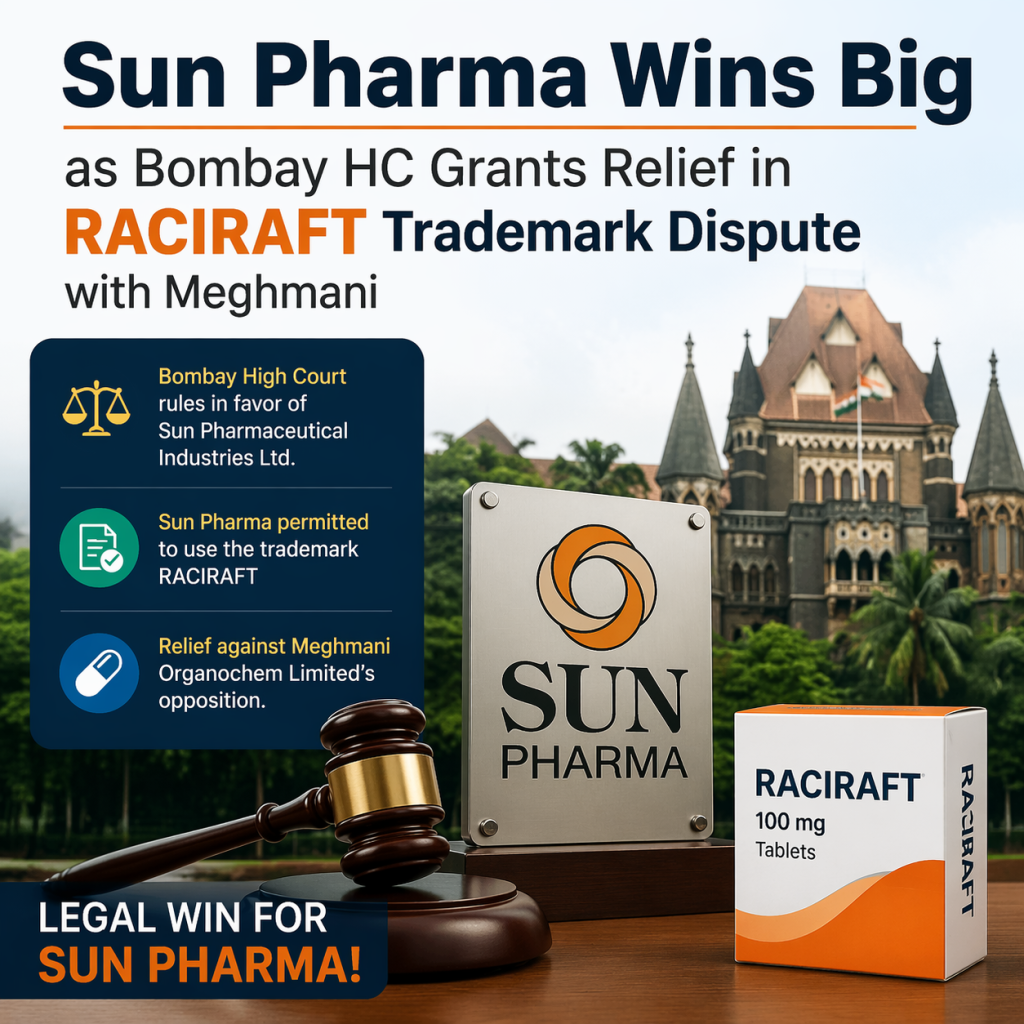
Sun Pharma, one of India’s largest and most respected drug manufacturers, holds a registered trademark for RACIRAFT. This coined word is used for one of their key formulations, typically prescribed for gastrointestinal issues like acidity and heartburn.
Enter Meghmani Lifesciences, a growing player in the generics and specialty medicines space. They launched a competing product under the name ESIRAFT. Sun Pharma cried foul, arguing that the two marks were deceptively similar both visually (sharing the distinctive “RAFT” ending) and phonetically (sounding alike when spoken by doctors, pharmacists or patients).
The dispute landed in the Bombay High Court, where Sun Pharma sought an injunction to stop Meghmani from using the ESIRAFT name. This wasn’t their first attempt; an earlier single judge bench had turned down the plea back in December 2025, ruling that the marks weren’t similar enough to cause real confusion but Sun Pharma didn’t back down. They appealed to the Division Bench, and on April 8, 2026, the higher court overturned the previous decision. In a fresh order, the judges granted interim relief to Sun Pharma, restraining Meghmani from using the ESIRAFT mark until the full trial concludes.
Why the Court Flagged “Risk of Confusion”
The Division Bench didn’t mince words. They highlighted two big red flags:
- Phonetic and Visual Overlap: When said quickly or written in prescriptions (which are often hurried), RACIRAFT and ESIRAFT could easily be mixed up. In the pharma sector, where drugs treat similar conditions, this similarity isn’t trivial.
- Public Interest Angle: Unlike regular consumer goods, medicines directly impact health. The court stressed that any chance of medication errors whether by pharmacists dispensing the wrong drug or patients misunderstanding labels poses a serious risk. Patient safety trumps everything.
This ruling echoes a long line of Indian court decisions on trademark law, especially under the Trade Marks Act, 1999. Section 29 of the Act prohibits the use of marks that are “deceptively similar” to registered ones, particularly in the same class of goods.
Judges also referenced the broader principle of “passing off,” where one company unfairly benefits from another’s established reputation. Sun Pharma has built strong goodwill around RACIRAFT and the court wasn’t willing to let a similar name erode that.
What This Means for Sun Pharma and the Industry
For Sun Pharma, this is a big win. It protects their intellectual property and sends a clear signal to competitors: don’t play in the grey area of brand naming. In an industry where billions ride on brand loyalty and doctor prescriptions, trademark security is non-negotiable but the implications go far beyond one company:
- Tighter Scrutiny on Drug Names: Pharma firms will now think twice before launching products with names that rhyme, share suffixes, or look alike. The “RAFT” ending in both marks became a focal point coined words are popular in pharma because they’re unique, but they must be distinctiveenough.
- Rising Importance of Pre Launch Checks: Companies are likely to invest more in trademark searches, phonetic tests and legal opinions before finalizing brand names. Tools like AI-powered similarity checkers could see a surge in demand.
- Patient Safety First: This case reinforces that courts view medicines differently from, say, smartphones or clothing. A mix up isn’t just a lost sale it’s a potential health hazard. This aligns with global standards from bodies like the WHO, which emphasize unique drug nomenclature to prevent errors.
- Boost for Domestic Innovators: Sun Pharma’s victory could encourage other Indian giants (and even smaller players) to vigorously defend their IP. India is the “pharmacy of the world,” exporting affordable generics globally. Strong trademark enforcement helps maintain that edge without compromising quality or trust.
Interestingly, this isn’t an isolated incident. Similar disputes have popped up in recent years involving other big names like Cipla, Dr. Reddy’s, and Lupin. The Bombay High Court with its expertise in IP matters, continues to set precedents that influence the entire sector.
Lessons for Pharma Entrepreneurs and Brand Managers
If you’re in the pharmaceutical space whether running a startup, managing a portfolio or advising on regulatory compliance here are practical takeaways:
- Avoid “Suggestive” Overlaps: Steer clear of common suffixes or prefixes that dominate a therapeutic category. A name should stand out, not blend in.
- Document Everything: Maintain solid records of your trademark registration, marketing spend, and sales data. This strengthens your case in court.
- Monitor the Market: Use watch services to catch infringing launches early. Early action prevents bigger headaches later.
- Focus on Innovation: True brand strength comes from R&D and efficacy, not just clever naming. But pairing that with ironclad IP protection is the winning formula.
The Road Ahead: What’s Next in This Case?
The interim relief is just the start. The full trial will decide the permanent fate of the ESIRAFT mark. Meghmani could appeal further or rebrand entirely. Either way, the industry is watching closely.
In the meantime, this judgment adds fresh momentum to discussions around India’s IP regime. With the country pushing for “Atmanirbhar Bharat” in healthcare, robust trademark laws play a quiet but crucial role in fostering innovation and trust.
What do you think? Have you come across similar brand name confusions in your experience with medicines? Drop your thoughts in the comments below I’d love to hear how this ruling might affect doctors, pharmacists, or patients on the ground.
Disclaimer: This post is for informational and educational purposes only. It is not legal advice. Always consult qualified professionals for trademark or health related matters.