The latest Karnataka PG medical bond policy announced in March 2026 could completely change your post PG career plans.In a major update, Karnataka government has made 3 years of compulsory government service mandatory for doctors who join PG courses under government quota seats (including AIQ). Fail to serve? You’ll face a hefty ₹50 lakh penalty for degree courses (MD/MS) and ₹25 lakh for diploma.
This policy aims to tackle the acute shortage of specialist doctors in rural and government hospitals across the state but it has also left thousands of aspirants worried about their future freedom to choose private practice, super specialty studies or even opportunities abroad.
Why Karnataka Introduced PG Bond Policy
Karnataka like many other states invests heavily in medical education through subsidized government colleges. However, a large number of PG graduates have traditionally moved to corporate hospitals, private practice or foreign countries immediately after completing their courses.
To retain talent in the public health system, the state government has now formalised a stricter bond requirement effective for the 2026 admissions cycle,order was published on 27 March 2026 and applies to all fresh PG admissions under government quota seats.
The goal? Ensure that specialist doctors serve where they are needed the most government hospitals, taluka level facilities and rural health centres.
Who Does the Karnataka PG Bond Policy Apply To?
The bond is compulsory for:
Candidates admitted to MD/MS (degree) or Diploma courses in government medical colleges.
Students who secure seats under the Karnataka State Quota as well as All India Quota (AIQ) in government colleges.
Both in service and direct (non-service) candidates.
Important exceptions and relaxations:
Doctors who have already completed 1 year of compulsory service after their MBBS (under the earlier UG bond) will only need to serve 2 additional years after PG.
Private college seats and management/NRI quota seats are generally not covered by this bond (subject to final confirmation from the Karnataka Medical Council).
Key Features of the 2026 Bond Policy
Particular
Details
Compulsory Service Period
3 years (or 2 years if 1 year MBBS bond already served)
Penalty for Degree (MD/MS)
₹50 lakh
Penalty for Diploma
₹25 lakh
Service Location
Government hospitals / rural/taluka centres as decided by the state
Bond Execution
At the time of admission counselling
How the Service Bond Actually Works
Once you complete your PG degree/diploma, Karnataka government will allot you a posting. You will be required to serve for the full bond period without breaks (except approved leaves).
During this period:
You will work as a specialist doctor in designated government facilities.
Salary will be as per government pay scales (usually decent for specialists).
You cannot join private hospitals, open your own clinic, or pursue further studies (DM/MCh) without completing or buying out the bond.
If you want to break the bond early, you must pay the full penalty amount before leaving government service.
Pros and Cons of the Karnataka PG Medical Bond
Advantages:
Guaranteed job security and experience right after PG.
Hands on exposure in high volume government setups.
Opportunity to serve society and gain respect in the public health system.
Relaxation for those who already served after MBBS.
Disadvantages:
Limits immediate freedom to pursue private practice or higher studies.
Rural/taluka postings can be challenging for family reasons.
Penalty amount (₹50 lakh) is quite high for fresh graduates.
Some aspirants feel it discourages talent from choosing government seats.
Career Impact on NEET PG Aspirants in 2026
This policy directly affects your choice of college and quota during counselling. Many students are now rethinking their preferences:
Government quota seats → Lower fees but 3-year bond.
Private/management quota → Higher fees but no (or lighter) bond in most cases.
If you are planning super specialty (DM/MCh) or want to settle abroad quickly, you may now prefer private colleges despite the higher cost.
Final year MBBS student with strong clinical knowledge in medicine, pharmacology, pathology and evidence based research. In depth knowledge of global geopolitics and its effects on healthcare systems, supply chains and international health regulations
The National Testing Agency has officially announced the new date for the NEET UG 2026 re examination after cancelling the earlier exam due to the alleged paper leak controversy. The re exam will now be conducted on June 21, 2026, affecting more than 22 lakh medical aspirants across India.
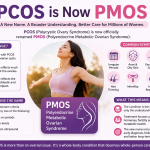
PMOS, previously known as PCOS, is a newly renamed condition that better reflects its hormonal and metabolic effects beyond the ovaries. The change from Polycystic Ovary Syndrome to Polyendocrine Metabolic Ovarian Syndrome highlights its association with insulin resistance, obesity, fertility issues, and long term health risks affecting millions of women worldwide.
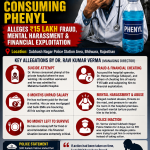
A doctor in Bhilwara allegedly attempted suicide by consuming phenyl after accusing a private hospital operator of financial exploitation, unpaid salary, mental harassment, and police inaction. The incident has sparked concern over workplace conditions and disputes in the medical profession.