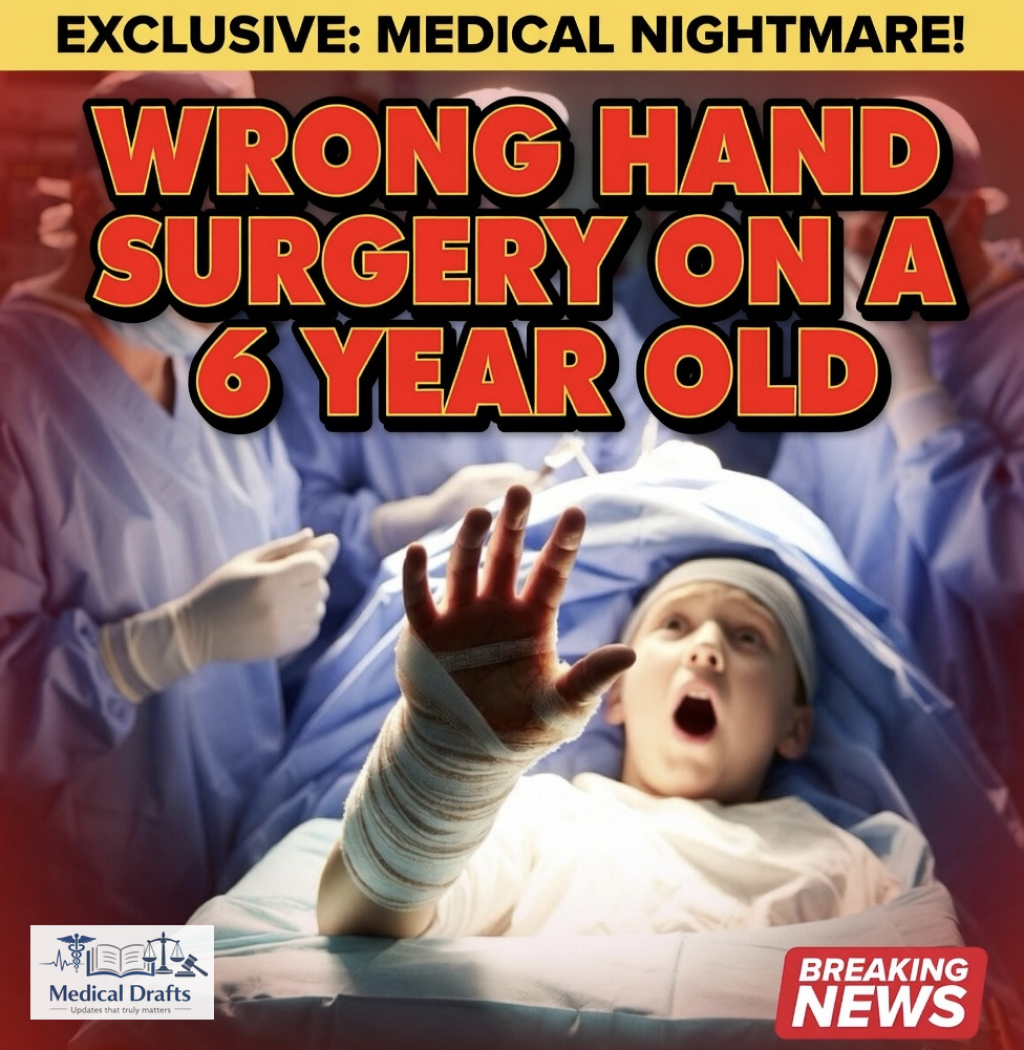
In a deeply concerning incident that has sparked nationwide outrage, a six year old boy in Pandharpur, Maharashtra allegedly underwent surgery on the wrong handat a government sub district hospital. Case which came to light in late March 2026, highlights a preventable medical error known as “wrong site surgery” one of the most alarming forms of medical negligence.
What Exactly Happened in the Pandharpur Case?
Six year old Shahu Sunil Dandade was born with bilateral postaxial polydactylya congenital condition where a child has an extra little finger on each hand while many children with extra digits live without issues, Shahu developed pain, stiffness and difficulty gripping with the extra finger on his right hand.
On March 27, 2026 his family took him to the Sub-District Hospital in Pandharpur for a planned surgical removal of that specific extra finger. Parents clearly signed a No Objection Certificate (NOC) authorizing surgery only on the right hand. According to the family’s complaint, doctors performed the procedure on the left handinstead, removing the extra finger from the side that wasn’t causing any problems. When the family noticed the mistake, they allege hospital staff initially downplayed the error and even attempted to alter medical records.
Maharashtra State Health Department responded swiftly by forming a two member inquiry committee headed by the Solapur District Civil Surgeon. The panel has already visited the hospital, recorded statements, and is reviewing consent forms, operation notes and staff accounts. Further action which could include disciplinary measures will depend on the committee’s final report.
This is a classic example of wrong-site surgery, a “never event” in modern medicine that should never occur with proper protocols.
Understanding the Medical Condition: Polydactyly
Polydactyly affects approximately 1 in 1,000 live births worldwide and is more common in certain populations. In postaxial polydactyly (the type seen here), the extra digit appears on the pinky side of the hand.
- Why surgery is sometimes needed: Extra fingers can cause pain, interfere with hand function or lead to cosmetic and psychological concerns as the child grows.
- Standard treatment: Simple removal under local or general anesthesia is usually straightforward when done correctly.
- Risk level: Low for a healthy child which makes this reported error even more shocking.
The fact that the child had the condition on bothhands does not excuse operating on the asymptomatic side. Clear documentation and site marking are non negotiable in such cases.
Why Do Wrong Site Surgeries Still Happen in 2026?
Despite advanced technology and global safety standards, these errors persist especially in high volume government hospitals. Common contributing factors include:
- Poor communicationbetween surgical teams
- Inadequate pre operative verification(missing “time out” checklist)
- Fatigue or understaffingin busy facilities
- Failure to mark the surgical sitevisibly
- Rushed consent processesor unclear documentation
The World Health Organization’s Surgical Safety Checklist was introduced precisely to prevent such mistakes. When followed diligently, it reduces surgical errors by up to 30%. Yet implementation gaps remain in many Indian public health settings.
The Bigger Picture: Medical Negligence in India
This Pandharpur case is not isolated. India sees thousands of medical negligence complaints annually with wrong site surgeries, medication errors and misdiagnoses among the top issues handled by consumer forums and courts.
According to various health reports factors such as overcrowding, limited resources in rural and semi urban hospitals and occasional lapses in accountability contribute to these incidents. However, the medical community also includes countless dedicated professionals who deliver excellent care every day, goal isn’t to demonize doctors it’s to push for systemic improvements that protect both patients and honest healthcare workers from preventable mistakes.
What Patients and Families Can Do to Stay Safe
Empowering yourself is the best defense. Here are practical actionable tips:
- Always ask questions: Confirm the exact procedure, side of the body, and risks before signing consent.
- Insist on site marking: The surgeon should personally mark the correct hand/leg with a permanent marker while you watch.
- Request the surgical safety checklist: Ask if the team will do a “time out” before incision.
- Bring a trusted family member: Two sets of eyes are better than one.
- Keep records: Take photos of consent forms and medical notes on your phone.
- Know your rights: Under the Consumer Protection Act and Clinical Establishments Act, you can seek compensation and accountability for proven negligence.
- Second opinion for elective procedures: Especially in children or non emergency cases.
How Technology Can Prevent Future Errors
Many modern hospitals now use:
- Barcode scanning for patient identification
- Electronic health records with built-in alerts
- Augmented-reality apps for site verification
If more government hospitals adopted these low cost digital safeguards, incidents like the Pandharpur case could become truly rare.
Final Thoughts: Turning Tragedy into Positive Change
The young boy in Pandharpur has already undergone one unnecessary procedure. His family deserves answers and the child deserves corrective care if needed without further trauma.
Cases like this fuel important conversations about patient safety, hospital accountability and the need for continuous training. The swift formation of an inquiry committee by the Maharashtra health department is a positive first step. We must now ensure that recommendations are implemented across all public hospitals. As patients, we must remain vigilant. As a society, we must demand higher standards without losing faith in the medical profession.