The Alarming Reality: A Surge in Student Suicides
India’s student suicide rates have skyrocketed, with 13,892 cases reported in 2023 alone,a 65% jump from 8,423 in 2013, outpacing the overall suicide increase in the country. Among medical students and professionals, the numbers are particularly grim. A study analyzing 118 suicides between 2020 and 2022 showed a steep rise, from 21 in 2020 to 68 in 2022, with over half occurring before age 30. Hanging was the most common method (49%), and mental illness was a key predictor in 12% of cases. More recent data from 2024-2025 indicates the trend hasn’t slowed, with reports of multiple incidents in top medical colleges across states like Maharashtra, Karnataka, and even Uttar Pradesh. These figures underscore a systemic issue where the pressure cooker environment of MBBS and PG courses pushes vulnerable students to the brink, often without adequate safety nets.
Factors Contributing to Vulnerability
Why are medical students so vulnerable? The culprits are no secret: crushing academic pressure, long hours, ragging (despite bans), bullying, exam anxiety, and a cutthroat competitive environment. Add in factors like sleep deprivation, poor work-life balance, substance use, and easy access to lethal drugs, and you’ve got a perfect storm. In a high-stakes field where failure feels like the end of the world, many students suffer in silence. Prevalence of suicidal ideation among medical students can reach 9%, linked to depression, anxiety, stress, and even lifestyle dissatisfaction. Beyond academics, social isolation, financial burdens from high fees, and the stigma around seeking help exacerbate the problem. For students in places like Varanasi, away from family support networks, these stressors can multiply, turning aspirations into overwhelming burdens.
Supreme Court’s Recognition
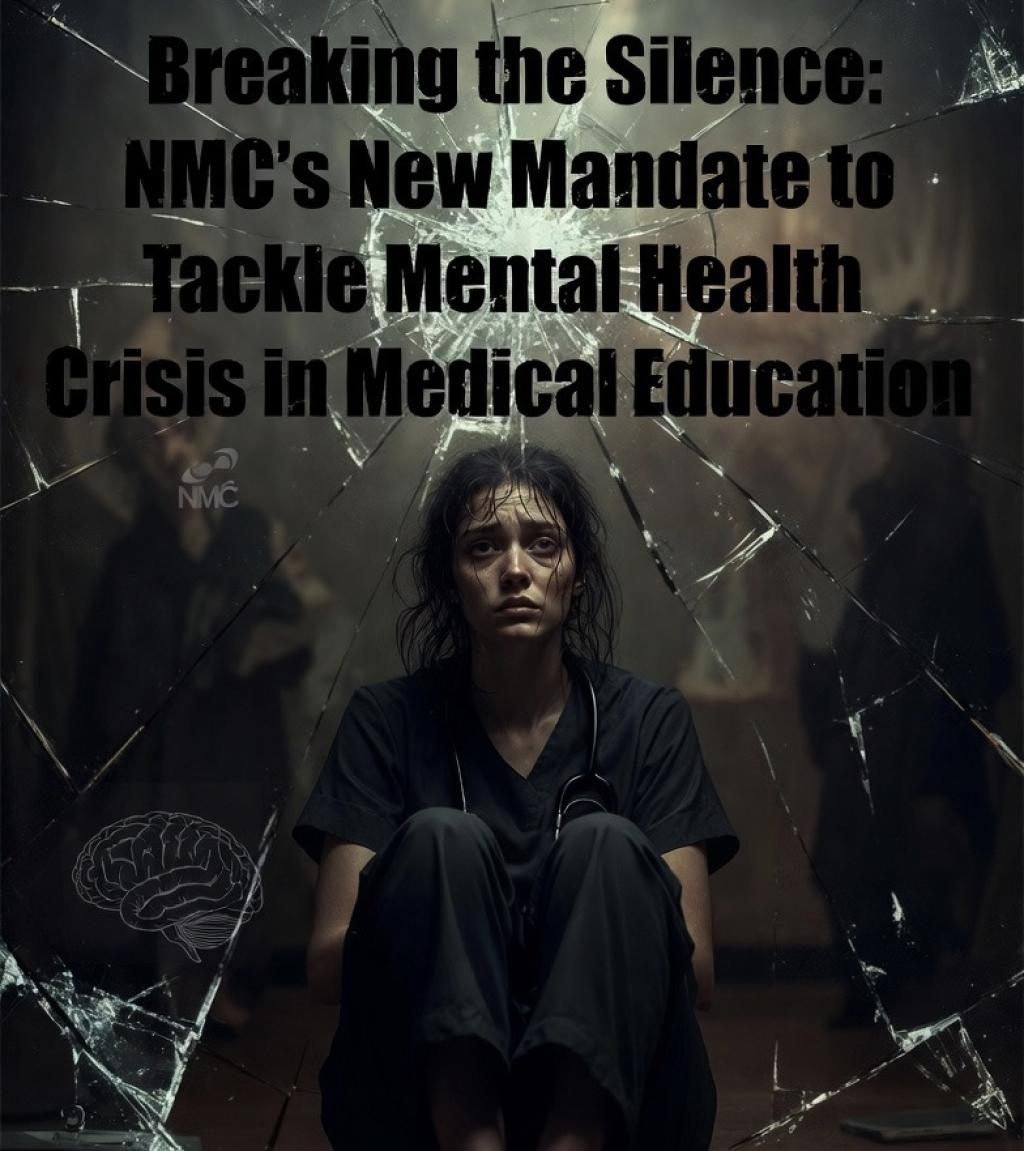
It’s not just numbers; these are aspiring healers breaking under the weight of becoming one. The Supreme Court recognized this “epidemic” back in March 2025, forming a National Task Force (NTF) led by retired Justice S. Ravindra Bhat to probe causes and suggest fixes. Their interim report, submitted in November 2025, highlighted suicides as the leading cause of death for women aged 15-29 and second for men in that group far ahead of medical issues. The NTF’s findings painted a stark picture of institutional failures, including inadequate counseling, unchecked ragging, and overworked faculty unable to spot warning signs. This judicial intervention stemmed from petitions like Amit Kumar & Others vs Union of India, which brought student voices to the forefront, demanding accountability from regulators like the NMC.
NMC’s Advisory: A Step Toward Accountability
Fast-forward to 2026: Following the Supreme Court’s January 15 order in Amit Kumar & Others vs Union of India, the NMC rolled out its mandatory public notice. Aimed at all medical colleges under its purview, it demands immediate action to prevent suicides and bolster mental health. Non-compliance? Expect regulatory hammer ,fines, inspections, or worse. Issued on March 9, 2026, by the NMC’s Policy and Coordination Division, this advisory targets Additional Chief Secretaries, Directors of Medical Education, and college deans across states and UTs. It’s not optional; it’s a binding directive to overhaul student welfare systems, with a four-month timeline for initial implementations in key areas like staff vacancies and support infrastructure.
Breakdown of Requirements
Here’s the breakdown of what colleges must do:
- Mandatory Suicide Reporting: Every incident of student suicide or unnatural death (focusing on ages 15-29) must be documented in detail, including date, time, place, method (if known), whether a police FIR was filed, if the family was informed promptly, and any preliminary findings. Colleges are required to submit these as part of monthly Action Taken Reports (ATR) to the NMC, using a specified tabular format for accuracy and transparency.
- Enhancing Mental Health Support: Institutions must establish or strengthen counseling services, including dedicated mental health professionals, helplines, and regular sensitization workshops for students and faculty. This includes forming anti-ragging committees, grievance redressal cells, and programs to promote work-life balance, such as yoga sessions or stress management seminars.
- 24/7 Emergency and Medical Facilities: Colleges need to ensure round-the-clock access to medical care, including on-campus hospitals or tie-ups with nearby facilities, ambulances equipped for emergencies, and protocols for immediate intervention in mental health crises.
- Anti-Ragging and Welfare Measures: Strict enforcement of anti-ragging policies, with zero tolerance for bullying or harassment. Monthly reports must also cover ragging incidents, actions taken, pending scholarships for students (especially from reserved categories), and progress on filling faculty vacancies to reduce workload on existing staff.
- Additional Reporting and Compliance: Beyond suicides, colleges must report on reserved category faculty positions, student grievances, and overall institutional health metrics. The NMC emphasizes data-driven approaches, with potential audits to verify compliance.
Potential Impacts and Challenges
This mandate could transform medical education by fostering a culture of care over competition. For colleges in Varanasi and Uttar Pradesh, it means institutions like BHU IMS might need to invest in new resources, potentially leading to better retention and happier students. However, challenges loom: smaller private colleges may struggle with funding for 24/7 services, and enforcement relies on state governments’ cooperation. Critics argue that without addressing root issues like NEET’s high-stakes nature or faculty shortages (over 20% vacancies in many states), the advisory might just add bureaucratic layers without real change.
Voices from the Ground: Student and Expert Reactions
Early reactions have been mixed but largely positive. Medical students on social platforms have welcomed the focus on mental health, sharing stories of ignored pleas for help. Experts like psychiatrists from AIIMS note that while reporting is crucial, training faculty to recognize signs of distress is equally vital. Some deans worry about the administrative burden of monthly reports, but advocates see it as a necessary push toward accountability. In Uttar Pradesh, with its high student population, local health officials are already planning workshops to align with the directive.
Is This Enough? Looking Ahead
While the NMC’s advisory is a commendable start, skeptics question if it’s sufficient to stem the tide. True reform might require curriculum changes, like integrating mental health education early on, or national helplines tailored for medicos. As we monitor implementation over the coming months, one thing is clear: saving lives demands more than mandates it needs empathy, resources, and ongoing dialogue. If you’re a student or parent in Varanasi, reach out to local support groups or BHU’s counseling centers. Let’s hope this sparks a healthier future for India’s future doctors.