Introduction to the Expansion
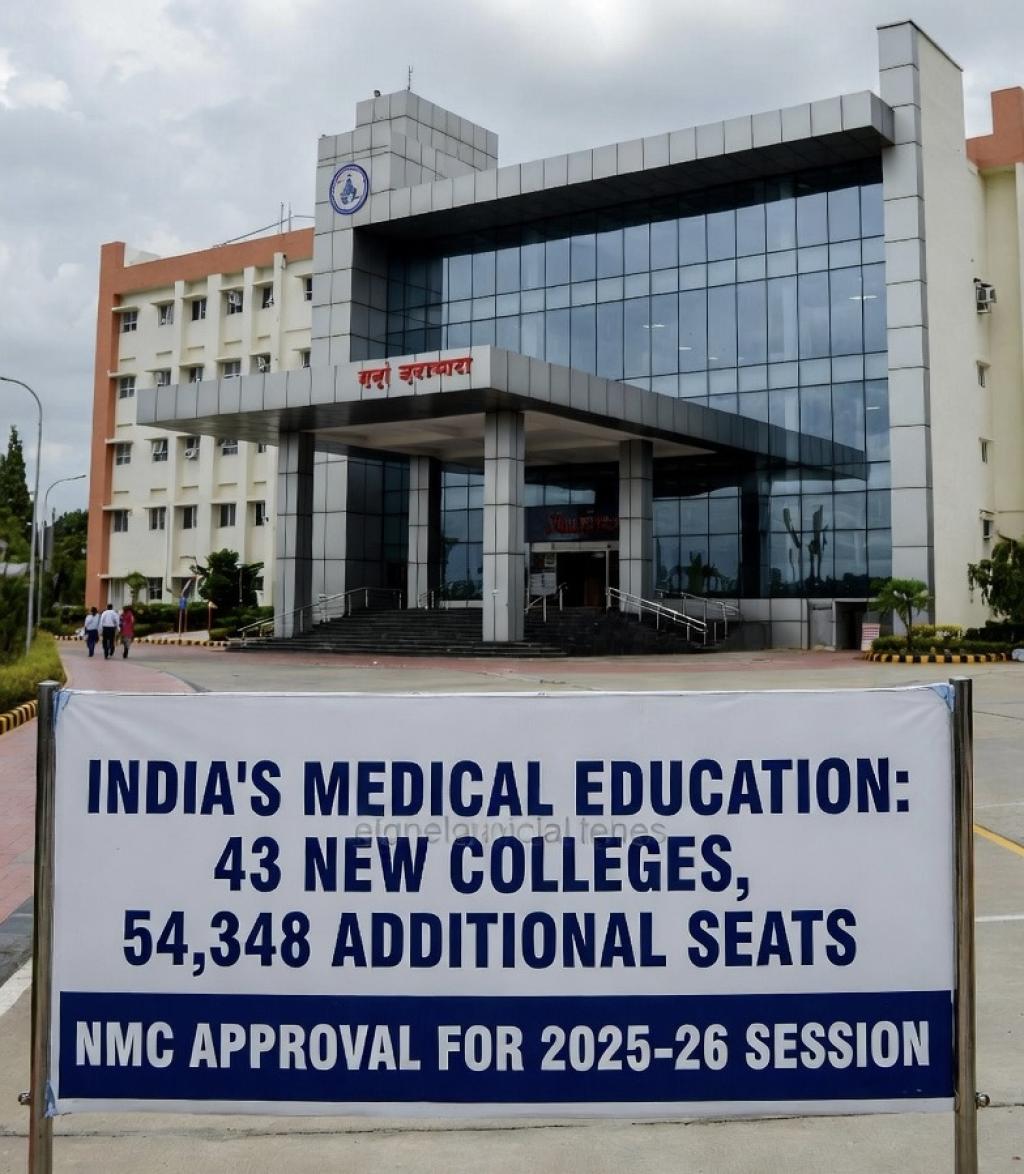
According to data from the National Medical Commission (NMC), the government has greenlit 43 new medical colleges across the country for the upcoming academic year 2025-26. That’s not all – they’ve also approved a whopping 11,682 new MBBS seats for undergraduate studies and 8,967 postgraduate (PG) seats, which include spots in premier institutions like AIIMS and other Institutes of National Importance (INIs). This brings the total to over 20,000 additional seats, a significant boost that could help address the doctor shortage in India.
Supporting Schemes and Impact
These expansions are part of a broader push under schemes like the Centrally Sponsored Scheme, which has already approved 157 medical colleges with a total outlay of ₹41,332.41 crore. Imagine the impact: more aspiring doctors from places like Uttar Pradesh getting local opportunities without having to migrate far.
Historical Context and Growth
India’s healthcare system has long grappled with a doctor-patient ratio that’s far from ideal. Back in 2014, there were only about 387 medical colleges nationwide. Fast forward to today, and that number has more than doubled to over 780, with total MBBS seats crossing 1,15,900. This latest addition is a continuation of that momentum, aiming to produce more skilled professionals who can serve in rural and urban areas alike.
Regional Focus and Distribution
For states like Uttar Pradesh, this could mean more colleges popping up closer to home. While specific state-wise breakdowns weren’t detailed in the parliamentary reply, recent announcements (like Punjab adding 7 new colleges and 600 MBBS seats) show a nationwide effort to distribute these resources evenly. In Bihar, for instance, 7 new colleges were recently approved, hinting at a focus on underserved regions.
Ensuring Quality and Standards
Of course, building colleges is just the start. Ensuring quality faculty, infrastructure, and clinical exposure remains key. The NMC plays a crucial role here, inviting annual applications from institutions to maintain standards. With NEET-UG and NEET-PG exams on the horizon, these new seats could ease the intense competition for admissions.
Broader Implications for India
This expansion isn’t just about numbers it’s about building a healthier India. More doctors mean better access to care, especially in places like Aligarh, where local medical hubs can transform community health.