Introduction to the Directive
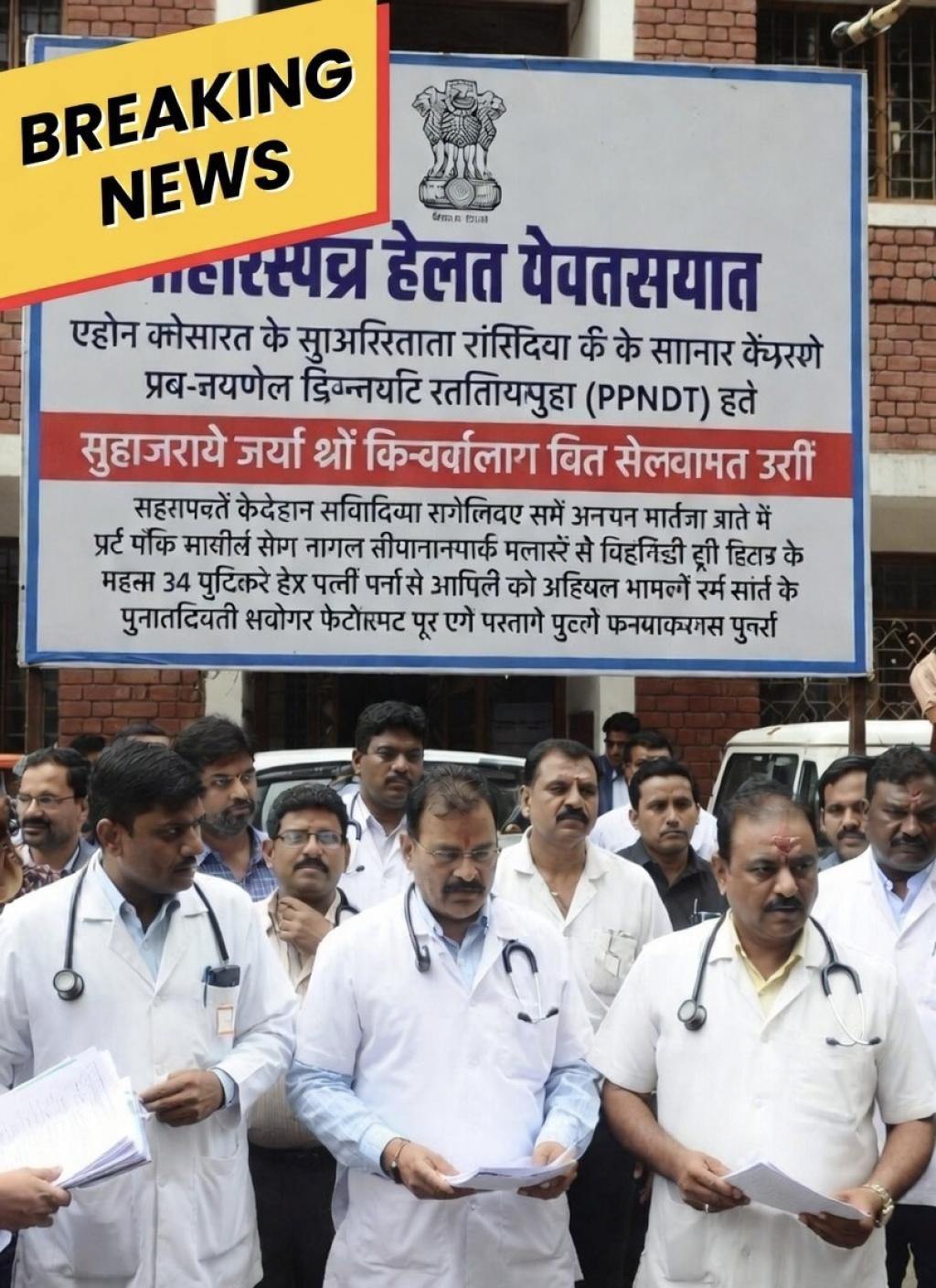
The recent directive from the Maharashtra Health Department to cancel the licences of 34 doctors for violations of the Pre-Conception and Pre-Natal Diagnostic Techniques (Prohibition of Sex Selection) Act, 1994 (commonly known as the PCPNDT Act) marks a significant step in the state’s ongoing fight against illegal sex determination and female foeticide. Announced on March 7, 2026, this action underscores renewed enforcement efforts amid concerns raised in the Maharashtra legislative assembly about lax implementation, persistent illegal practices, and their impact on the sex ratio.
Understanding the PCPNDT Act
What is the PCPNDT Act?
Background of the Act
Enacted in 1994 and amended in 2003, the PCPNDT Act prohibits the use of pre-conception and pre-natal diagnostic techniques (like ultrasound) for sex selection. Its core aim is to prevent female foeticide, which has historically skewed India’s child sex ratio due to deep-rooted son preference, dowry burdens, and patriarchal attitudes.
Key Provisions of the Act
Key provisions include:
Mandatory registration of all ultrasound machines and genetic clinics. Strict record-keeping (e.g., Form F detailing the patient’s history and reasons for the scan — not revealing fetal sex). Ban on disclosing fetal sex to parents or anyone. Penalties for violations: imprisonment (typically 3–5 years) and fines, with licence suspension/cancellation for medical professionals.
Treatment of Paperwork Lapses
The Act treats even paperwork lapses (like incomplete records) seriously, as courts have ruled these can enable sex-selective abortions.
Improvements and Challenges in Maharashtra
Maharashtra, once leading in declining sex ratios, has seen gradual improvements through enforcement, but challenges remain.
Details of the Latest Action
The Latest Action: Cancelling 34 Doctors’ Licences
Issuance of Orders by Health Minister
Health Minister Prakash Abitkar issued the orders after reviewing PCPNDT enforcement during a meeting. The directive targets 34 doctors accused of violations, instructing medical councils (e.g., Maharashtra Medical Council and others) to cancel their registrations within one week.
Breakdown of Registrations
Of these, 14 are registered with the Maharashtra Medical Council, with others under different councils.
Nature of Violations
Violations likely involve improper record maintenance, unregistered equipment, facilitating sex determination, or related lapses in ultrasound/gynecology practices.
Pursuit of Court Cases
The state has pursued court cases against offenders to ensure they are barred from practice long-term.
Context from Assembly Discussions
This follows assembly discussions highlighting weak enforcement, ongoing illegal sex determination, and female foeticide cases.
Cumulative Enforcement Efforts
The government has initiated action against 193 practitioners since the Act’s inception, showing cumulative efforts.
Reasons for Current Importance
Why This Matters Now
Broader Pushes Accompanying the Crackdown
This crackdown comes amid broader pushes:
Recent reviews of enforcement. Consideration of stricter penalties (e.g., increasing imprisonment to 7–10 years). Exploring MCOCA (Maharashtra Control of Organised Crime Act) for repeat offenders or organised rackets. Plans for district supervisory committees, workshops, and awareness via social media.
Improvements in Child Sex Ratio
Maharashtra’s child sex ratio has improved over time (from lows in earlier censuses), aided by sting operations (90 leading to 627 cases and 129 cancellations in recent years) and inspections.
Persistence of Female Foeticide
However, female foeticide persists in pockets, driven by cultural biases. Declining girl numbers exacerbate violence against women, trafficking, and social imbalances.
Implications for Medical Professionals
Broader Implications for Doctors and Society
For medical professionals (especially radiologists, gynecologists, and sonologists):
Strict compliance is non-negotiable — even minor lapses can lead to severe consequences. This reinforces the Act’s zero-tolerance stance: non-maintenance of records isn’t “clerical error” but a gateway to foeticide.
Societal Benefits
For society:
Strong enforcement protects the girl child and promotes gender equality. It deters misuse of technology while allowing legitimate prenatal care. Combined with awareness, it can further normalize balanced families.
Government’s Decisive Move and Its Message
The Maharashtra government’s decisive move signals zero tolerance for sex selection. While challenges remain, actions like cancelling 34 licences send a clear message: protecting future generations requires unwavering commitment from regulators, doctors, and communities.
Hope for Nationwide Impact
As India strives for equitable sex ratios, such enforcement is crucial. Let’s hope it inspires similar rigor nationwide, turning the tide against one of the most insidious forms of gender discrimination.