Medical residency is widely known for its demanding schedule and intense workload. Long hours, sleepless nights and immense responsibility are often considered part of the training process for young doctors. However, recent claims circulating on social media highlight a disturbing reality that goes far beyond the expected challenges of medical education.
Allegations of Public Humiliation and Punishment
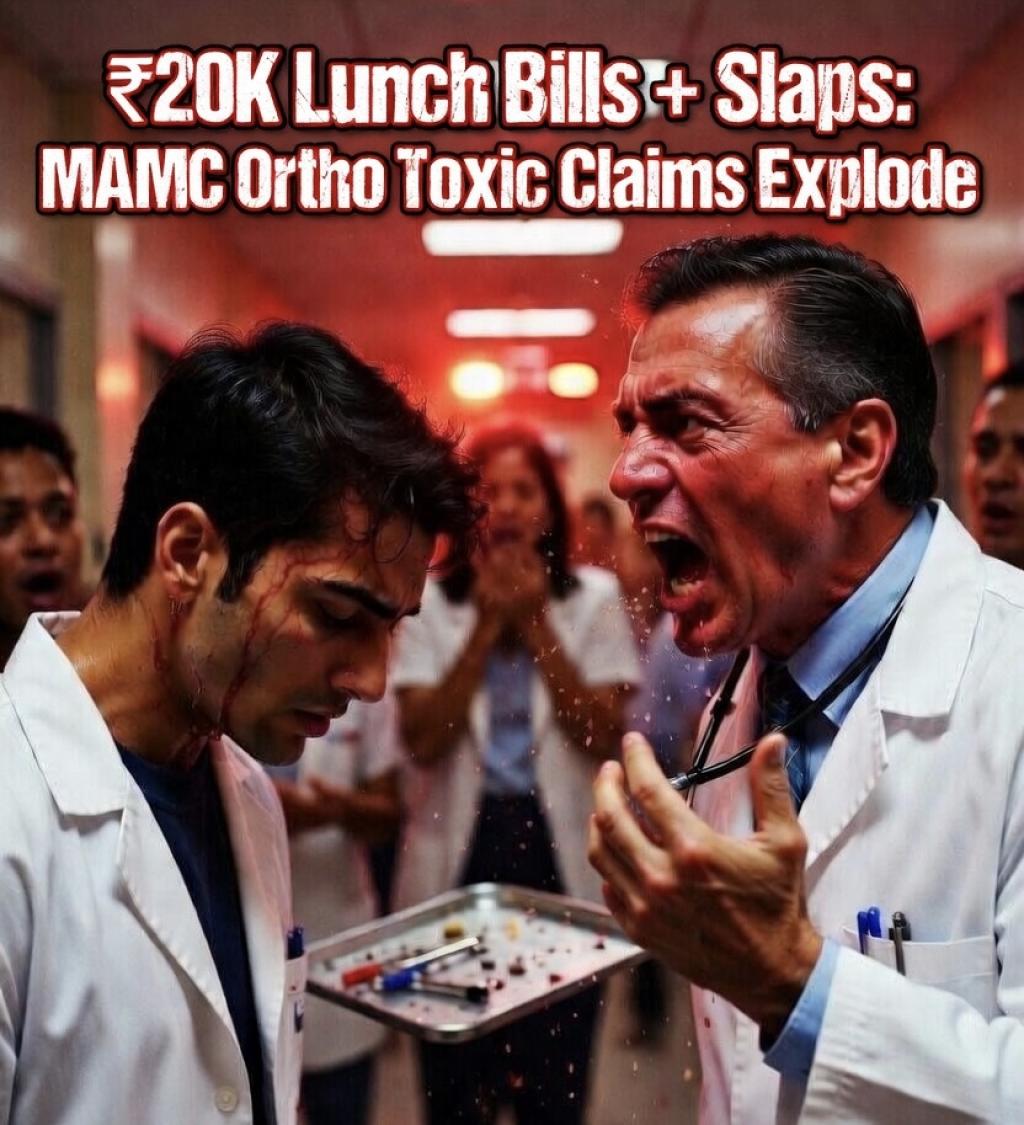
The posts claim that first year residents are punished publicly in front of patients and nursing staff whenever they make mistakes. These punishments reportedly include slapping, verbal abuse, and forcing residents to perform humiliating actions. Such treatment if it is true then it raises serious concerns about professionalism, workplace ethics, and the psychological well-being of young doctors who are still in training.
Mistakes are an inevitable part of learning in any profession, especially in medicine where the environment is fast-paced and high pressure. However, humiliation and physical punishment have no place in a professional learning environment.
Financial Burden on Junior Residents
Another troubling allegation is the financial pressure placed on first-year residents. According to the posts, junior residents are reportedly required to pay for the lunch bills of senior residents and interns. This expense is said to amount to approximately ₹20,000 per month per resident, creating a significant financial burden for young doctors who are already in the early stages of their careers.Such practices if occurring, highlights a culture where hierarchy may be misused, placing unfair expectations on those at the bottom of the training ladder.
Excessive Physical Demands
The posts also claim that residents are not allowed to sit during their postings. The reasoning reportedly given is that sitting down might slow down their work speed. As a result, some residents have allegedly developed back pain and knee pain within just two months of joining.
While medicine requires stamina and dedication, denying basic physical comfort and rest can lead to serious health issues and burnout among healthcare workers.
The Cycle of Toxic Tradition
Perhaps the most concerning aspect highlighted in the posts is the justification often given for such behavior: “The same thing happened to us, so we will do the same to you.” This mindset perpetuates a cycle where abusive practices are passed down from one generation of residents to the next.
Medical training should focus on mentorship, skill development, and compassionate leadership not on continuing harmful traditions.
A Call for Reform
The concerns raised in these posts reflect a broader discussion about working conditions for medical residents in many institutions. Hospitals and medical colleges play a critical role not only in patient care but also in shaping the next generation of doctors.
Creating a supportive and respectful training environment is essential. Residents should be guided, mentored, and supported rather than humiliated or exploited.
Medical institutions must ensure:
•Safe and respectful working environments
•Fair financial expectation
•Proper rest and working conditions
•Strong systems to report abuse without fear
Conclusion
Doctors dedicate years of their lives to learning how to save others. They deserve training environments that encourage growth, dignity, and respect. If the allegations circulating online reflect real experiences, they serve as an important reminder that the culture within medical education must evolve.