A recent incident in Darbhanga has once again highlighted the precarious safety of our healthcare heroes. In a country where doctors are often revered as life-savers, it’s heartbreaking and infuriating to see them becoming targets of extortion, intimidation, and outright violence. Today, let’s dive into this pressing issue through the lens of the latest case from Darbhanga, and explore why it’s time for systemic change.
The Darbhanga Incident: A Wake-Up Call
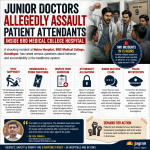
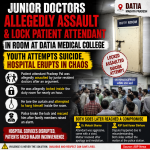
On March 11, 2026, the Indian Medical Association (IMA) Darbhanga branch sounded the alarm over a disturbing episode at a private hospital run by a doctor couple. According to reports, individuals accompanying a patient’s relatives described as so-called media personnel allegedly disrupted hospital operations, attempted to damage property, and intimidated the doctors with extortion demands. This wasn’t just a one-off scuffle; it threatened the very ability of these professionals to provide care without fear.
In response, under the leadership of Dr. Hari Damodar Singh, over three dozen doctors gathered for an emergency meeting. They swiftly penned a letter to the district’s Civil Surgeon, demanding a swift investigation, strict legal action against the perpetrators, and enhanced security for the affected couple and all healthcare workers in the area. The IMA emphasized that such incidents create a “hostile environment” that disrupts patient services and emboldens anti-social elements if left unchecked.
This case isn’t isolated to Darbhanga. It’s a symptom of a deeper malaise plaguing India’s medical community, especially in regions like Bihar and neighboring states where healthcare infrastructure is already stretched thin.
The Broader Epidemic: Violence Against Healers
India has seen a surge in attacks on doctors in recent years, with verbal abuse, physical assaults, and even murders making headlines far too often. Just look at the numbers: In Delhi alone, there were 149 reported incidents of violence against doctors and medical staff between 2021 and 2025, with a peak of 49 cases in 2024. Nationally, studies show that up to 75% of resident doctors have faced verbal abuse, and 20% physical violence.
Recent high-profile cases paint a grim picture:
- In Haryana, doctors went on a three-day strike after a medical officer was allegedly assaulted and forcibly taken by police during a dispute.
- In Mumbai, three doctors were attacked by relatives of a deceased patient at R.N. Cooper Government Hospital.
- Shocking assaults occurred in Jammu & Kashmir and Hyderabad, where doctors were physically harmed on duty, sometimes in the presence of authorities.
- The 2024 rape and murder of a junior doctor in Kolkata sparked nationwide protests, leading to hospital vandalism and renewed calls for better laws.
These aren’t random; they often stem from patient dissatisfaction, high expectations, misinformation, or even criminal elements posing as journalists or relatives to extort money as seen in Darbhanga. In rural areas like Darbhanga or even parts of Uttar Pradesh, understaffed hospitals and emotional family members can escalate situations quickly.
Why Does This Happen, and What Are the Consequences?
Root causes include overburdened healthcare systems, lack of communication, and inadequate legal protections. Many states have laws against violence on medics, but enforcement is lax. A 2024 analysis of newspaper reports on such incidents reveals a pattern: media often sensationalizes, but rarely delves into systemic fixes.
The fallout? Doctors are demoralized, leading to strikes that disrupt services for millions. In extreme cases, talented professionals emigrate, worsening India’s doctor shortage. Patients suffer too—after all, who wants to seek care in a tense, unsafe environment?
Time for Action: Protecting Our Protectors
It’s high time the government steps up. The IMA’s demands in Darbhanga swift probes, security enhancements, and crackdowns on fake journalists are spot on. Nationally, we need a central law with teeth, like the one proposed post-Kolkata, ensuring hospital security, fast-track courts for assaults, and awareness campaigns to bridge doctor-patient gaps.
As citizens, we hold real power to drive change. Here are concrete, actionable steps you can take right now to help protect doctors and reduce these incidents:
- Raise Awareness Locally: Share verified news like this Darbhanga story on social media (X, WhatsApp groups, Facebook) with a message emphasizing respect for doctors. In Gorakhpur, join or start conversations in local doctor-patient forums, community groups, or even your neighborhood WhatsApp chats to highlight the issue and discourage mob behavior.
- Support and Report: If you witness or hear of threats, extortion, or violence against a doctor (in hospitals, clinics, or online), report it immediately to local police or the hospital administration. Many states have helplines or grievance mechanisms—use them. Encourage others to do the same to build a culture of accountability.
- Advocate for Better Policies: Write to your local MLA, MP, or the Uttar Pradesh Health Department (or Bihar’s if connected) demanding stronger enforcement of existing laws and a central law for violence against healthcare workers. Petitions on platforms like Change.org or direct emails can amplify voices—many IMA branches support such campaigns.
- Promote Respect in Interactions: When visiting hospitals or clinics (for yourself or family), practice patience, clear communication, and gratitude. Avoid aggressive demands or threats—even verbal ones—as they contribute to the toxic environment. Educate family and friends about realistic expectations from medicine.
- Back Awareness Drives: Participate in or support public campaigns by IMA, NGOs, or health organizations that educate communities on doctor safety, patient rights, and the consequences of violence (e.g., through posters, videos, or local events). In UP, look for IMA Gorakhpur branch activities or similar initiatives.
Doctors save lives; let’s ensure they can do so without fearing for their own. Rishabh, in Gorakhpur, you’re in a great position to start small but meaningful actions locally perhaps share this post or talk to friends about it. What steps do you think could make the biggest difference in our region? Drop a comment below!