The Recent News from NEET PG Counselling
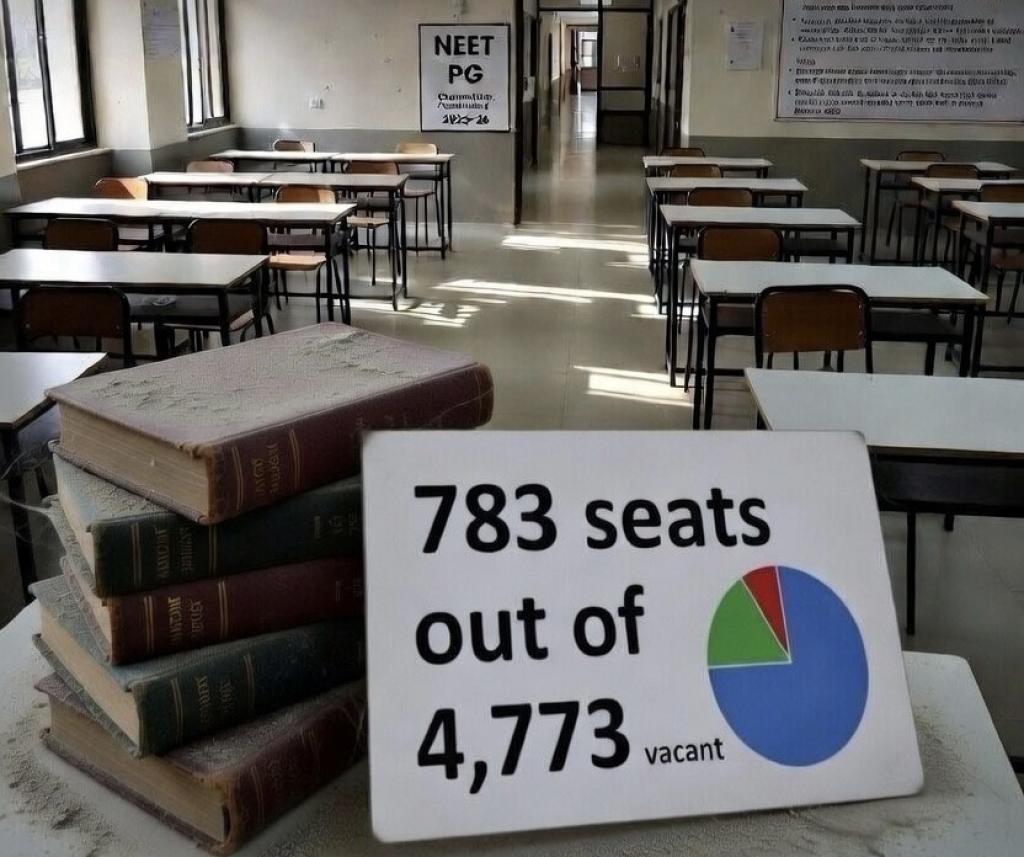
The recent news from Karnataka’s NEET PG counselling for the 2025-26 session has raised eyebrows across India’s medical education landscape: 783 out of 4,773 postgraduate (PG) medical seatsremained unfilled even after the Karnataka Examinations Authority (KEA) wrapped up the process on March 7, 2026. That’s roughly 16%of the total seats sitting empty a surprising twist in a country often criticized for doctor shortages and intense competition for specializations.
Symptoms of Deeper Issues
This isn’t just a Karnataka quirk; it’s a symptom of deeper issues in how we’ve expanded medical education, especially in the private sector. Let’s unpack what happened, why it matters, and what it says about the future of PG training in India.
The Numbers Behind the Vacancy
783 Out of the 4,773 PG seats available through KEA counselling:
- Around 14,400 candidatesregistered.
- Over 10,000submitted their choices. Yet, hundreds of seats went unclaimed. The bulk of these vacancies are under the management quotain private medical colleges, where fees skyrocket.
Even sought-after clinical branches aren’t immune:
- General Medicine: 37 out of 500seats vacant.
- Radiodiagnosis: 35 out of 287vacant.
- General Surgery: 11 out of 425vacant.
- Paediatrics: 25 out of 362vacant.
- Dermatology: 15 out of 196vacant.
Non-clinical branches like Anatomy see lower demand anyway, but seeing vacancies in high-demand fields like these is unusual.
Why Are Seats Going Begging?
Experts point to a perfect storm of factors:
Massive Seat Expansion Without Matching Demand
Karnataka added nearly 967 new PG seatsin a single year. While increasing capacity sounds great for producing more specialists, the sudden surge outpaced what candidates could realistically afford or pursue. Nationally, India has ramped up PG seats aggressively in recent years, but not all additions translate to filled classrooms when costs are prohibitive.
Sky-High Fees in Management Quota
Private colleges dominate the management quota, with annual fees ranging from about ₹25,000(for less popular non-clinical branches like Anatomy) to a staggering ₹1.3 crorefor premium specializations like Dermatology.
For context, even mid-tier clinical branches often cross ₹50-80 lakhsper year in many private setups. Many deserving candidates simply can’t or won’t take on such debt, especially when government seats (with much lower fees and better stipends) fill up first. This creates a mismatch: seats exist, but affordability doesn’t.
Prolonged Counselling Process
The NEET PG counselling dragged on with delays, court cases, and multiple rounds. By the time final allotments happened, many candidates had already moved on perhaps opting for jobs, further attempts at NEET PG, or even exploring opportunities abroad. The long timeline reduces momentum and leaves candidates exhausted.
Broader Trends in Private Medical Education
Across India, private and deemed universities hold a large chunk of PG seats, but high fees (often ₹50 lakhs to over ₹1 crore for the full course in popular branches) deter middle-class aspirants. Economic realities hit hard: loans are available, but repaying crores while earning a modest PG stipend isn’t appealing for everyone. This has led to vacancies in private-heavy states like Karnataka, Maharashtra, and Tamil Nadu in past cycles too.
Implications for Aspiring Doctors and the System
On one hand, it’s ironic India talks about specialist shortages in rural areas and public hospitals, yet hundreds of training slots go unused. On the other, it highlights how unchecked privatization without fee regulation can create artificial scarcity amid abundance.
For candidates:
- Government seats remain the gold standard: lower costs, better patient exposure, and stronger long-term value.
- Private management quota seats are increasingly a last resort for those who can pay but even then, not everyone bites when the ROI feels shaky.
For policymakers and regulators (like the National Medical Commission):
- Rapid seat additions need to pair with affordability measures subsidies, fee caps, or better loan schemes.
- Counselling timelines must be streamlined to avoid fatigue.
- Perhaps revisit incentives for private colleges to fill seats without relying solely on ultra-high fees.
A Warning for the Future
In the end, 783 empty seats in Karnataka aren’t a failure of ambition; they’re a warning. Expanding medical education is crucial, but if it leaves quality training out of reach for most, we’re just building empty classrooms instead of building a healthier future.
What do you think should there be stricter fee regulations for private PG seats or is the market sorting itself out? Drop your views in the comments!