The death of Giraben Soni at SVP Hospital in Ahmedabad has sparked allegations of medical negligence and triggered an official probe. A viral video posted by her daughter has intensified public scrutiny of patient care, Ayushman Bharat implementation, and accountability in India’s public healthcare system.
The recent incident at Sardar Vallabhbhai Patel Institute of Medical Sciences and Research (SVP Hospital) in Ahmedabad has once again spotlighted serious concerns about patient care in India’s public healthcare system. A woman’s death during treatment has triggered allegations of medical negligence, a viral social media video from her grieving daughter, public outrage, and an official probe ordered by hospital authorities.
The Incident: What Happened?
Giraben Soni (also referred to as Gira Dipakkumar Soni), a patient suffering from asthma, cough, and diabetes, was admitted to SVP Hospital on February 21, 2026. She was reportedly covered under the Ayushman Bharat health insurance scheme, which provides free or subsidized treatment to eligible low-income families.
Her condition deteriorated over time. According to hospital officials from the Ahmedabad Municipal Corporation (AMC), which oversees the facility, she developed multiple complications and was shifted to the ICU about three days before her passing. She died on Wednesday night (March 4, 2026, based on reports dated around March 5–7, 2026).
Official preliminary statements attribute the death to multiple organ failure stemming from her pre-existing conditions and worsening health. However, this explanation has not satisfied the family.
The Allegations: A Daughter’s Heartbreaking Video Goes Viral
The story exploded when Kshitisha Soni, Giraben’s daughter, posted an emotional video on social media. In the clip, she accused the hospital staff and doctors of:
• Failing to provide proper and timely care. • Performing unnecessary procedures. • Subjecting patients to what she described as “experiments” under the guise of the Ayushman Bharat scheme. • General lapses in treatment, management, and empathy (including claims like hands being tied or inadequate monitoring).
The video quickly went viral, shared across platforms like Instagram, YouTube, and others, drawing widespread sympathy and anger. It highlighted frustrations many families face in overcrowded public hospitals, especially when relying on government schemes meant to ensure accessible care.
Opposition groups reportedly protested outside the hospital on Thursday, amplifying the issue politically and pressuring authorities for answers.
Hospital and Authorities’ Response
SVP Hospital, a state-of-the-art facility built at a cost of around ₹800 crore by the AMC, has responded by ordering an internal inquiry into the allegations. This step aims to investigate the claims of negligence, review treatment protocols followed, and examine any procedural lapses.
While the probe is underway, no detailed findings have been publicly released yet. Such inquiries are standard in cases involving public outcry, but families often wait months for conclusions, and outcomes can vary—ranging from exoneration of staff to disciplinary action or policy changes.
Broader Implications: Why This Matters
This isn’t an isolated case. Stories like Giraben Soni’s raise recurring questions about India’s public healthcare:
• Overburdened systems — Public hospitals like SVP handle massive patient loads, often with staff shortages, limited resources, and high-pressure environments.
• Ayushman Bharat challenges — While the scheme has expanded access, some reports suggest implementation gaps, including concerns over quality of care, unnecessary interventions for insurance reimbursements, or inadequate monitoring in empanelled facilities.
• Trust erosion — Viral videos from grieving relatives can spread rapidly, fueling distrust in doctors and institutions—even when complications arise from complex medical conditions rather than outright negligence.
• Need for transparency — Independent reviews, faster communication with families, and stronger grievance mechanisms could help bridge gaps.
Medical negligence allegations are serious and require thorough, impartial investigation. At the same time, healthcare workers operate in challenging conditions, and not every adverse outcome equals fault. The truth often lies in detailed case reviews, which is why the ordered probe is a positive first step.
Final Thoughts
Our hearts go out to the Soni family during this unimaginable loss. Losing a loved one is painful enough; suspecting preventable errors makes it even harder. As the inquiry progresses, we hope it brings clarity, accountability if warranted, and lessons to improve care for others.
Incidents like this remind us that quality healthcare is a right, not a privilege. Strengthening public systems, ensuring ethical practices under schemes like Ayushman Bharat, and fostering open dialogue between patients, families, and providers are essential steps toward rebuilding trust.
What are your thoughts on this case or similar experiences with public hospitals in India? Feel free to share in the comments—constructive discussion can help highlight needed reforms.
Final year MBBS student with strong clinical knowledge in medicine, pharmacology, pathology and evidence based research. In depth knowledge of global geopolitics and its effects on healthcare systems, supply chains and international health regulations
The National Testing Agency has officially announced the new date for the NEET UG 2026 re examination after cancelling the earlier exam due to the alleged paper leak controversy. The re exam will now be conducted on June 21, 2026, affecting more than 22 lakh medical aspirants across India.
PMOS, previously known as PCOS, is a newly renamed condition that better reflects its hormonal and metabolic effects beyond the ovaries. The change from Polycystic Ovary Syndrome to Polyendocrine Metabolic Ovarian Syndrome highlights its association with insulin resistance, obesity, fertility issues, and long term health risks affecting millions of women worldwide.
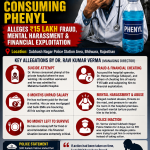
A doctor in Bhilwara allegedly attempted suicide by consuming phenyl after accusing a private hospital operator of financial exploitation, unpaid salary, mental harassment, and police inaction. The incident has sparked concern over workplace conditions and disputes in the medical profession.